Medium Duty Towing 101
We see all kinds of vehicles on the road, but commercial units bring a different set of challenges. From step vans to fully loaded box trucks, each one carries weight, height, and balance issues that we take seriously. When we handle a Newport delivery truck towing job, we start by assessing size, cargo load, and road position. That first look tells us how to approach the job without wasting time or risking damage. We also pay attention to how the vehicle stopped in the first place. Breakdowns in tight streets or busy delivery zones require a steady plan. Our goal is to move the vehicle in a controlled way while keeping traffic flowing as much as possible. Every decision we make during comes from experience and careful observation.
The Basics of Medium-Duty Towing
Understanding Vehicle Size and Weight
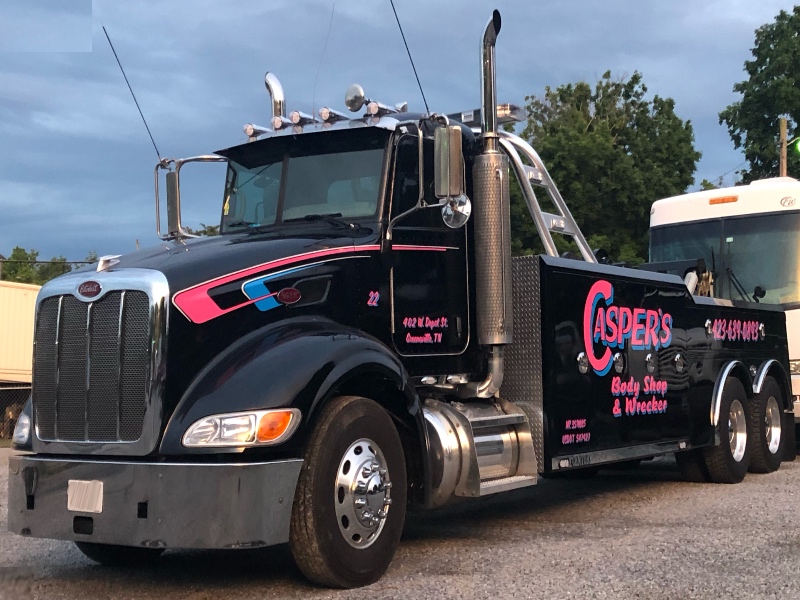
Medium-duty towing sits between light vehicles and heavy tractor-trailers. Box trucks, cargo vans, and similar vehicles fall into this range because of their structure and hauling purpose. We deal with longer wheelbases and higher centers of gravity, which means balance plays a big role in every tow.
We always match the towing method to the vehicle’s build. A cargo van behaves differently than a loaded box truck, even if they look similar at a glance. That’s why we take a few extra moments to evaluate before we hook anything up.
Common Vehicles We Tow
When people think about towing, they often picture cars or pickups. Our day looks a bit different. We regularly handle:
- Box trucks used for local deliveries
- Cargo vans for contractors and services
- Small commercial fleet vehicles
- Step vans used by logistics companies
Each of these vehicles shows up often in commercial vehicle truck towing requests, and each one requires a slightly different approach.
Challenges That Come with Commercial Vehicles
Load Distribution Changes Everything
A loaded truck does not behave like an empty one. Weight shifts can affect how the vehicle responds when we lift or pull it. We stay aware of cargo placement and adjust our process to keep things stable. This becomes especially important during Newport delivery truck towing jobs involving partially loaded vehicles.
We also consider how the cargo might move during transport. Securing the vehicle properly helps reduce unwanted shifts while we’re on the road.
Height and Clearance Concerns
Box trucks and similar vehicles often sit higher than standard cars. That added height can create issues with overpasses, trees, and tight urban areas. We map out our route before moving the vehicle so we avoid unnecessary stops or complications.
Clearance checks are a routine part of Newport delivery truck towing. We never assume a route will work without thinking it through first.
Tight Spaces and Urban Roads
Delivery vehicles often break down in places that are not easy to access. Narrow streets, loading docks, and crowded areas require patience and planning. We take our time setting up so the tow goes smoothly without causing more disruption.
Casper’s Wrecker Service: Newport Delivery Truck Towing With Expertise
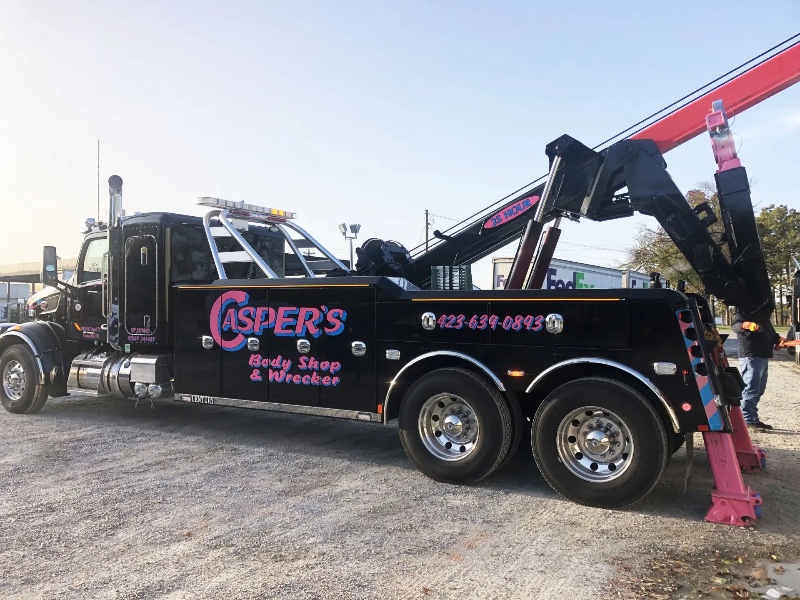
At Casper’s Wrecker Service, we spend a lot of time working with commercial vehicles of all sizes. Newport delivery truck towing is a regular part of what we do, and we approach each job with a clear plan. We handle box trucks, vans, and fleet vehicles with attention to detail from start to finish.
Our team focuses on steady, controlled towing that fits the situation at hand. Newport delivery truck towing calls for awareness, and we bring that into every job we take. At Casper’s Wrecker Service, we continue to work with drivers and businesses that rely on consistent help with Newport delivery truck towing, keeping the process straightforward and dependable every step of the way.
Frequently Asked Questions
What is considered a medium-duty vehicle for towing?
Medium-duty vehicles include box trucks, cargo vans, and small commercial fleet vehicles. These vehicles are larger and heavier than standard cars but smaller than semi trucks. Their size and weight require a different towing approach.
How do you tow a box truck without causing damage?
We start by checking weight distribution, wheel position, and ground clearance. Then we secure the vehicle in a way that keeps it stable during loading and transport. Careful setup helps prevent shifting or strain on key components.
Can a loaded delivery vehicle be towed?
Yes, but the load changes how we handle the tow. We take into account how the cargo is placed and how it might shift. This helps us keep the vehicle balanced while moving it.
What challenges come with towing commercial vans?
Commercial vans often operate in tight or crowded areas. Limited space can make positioning more difficult. We adjust our approach based on the surroundings to keep the process controlled.
Does vehicle height affect towing?
Yes, taller vehicles like box trucks require extra attention. We consider clearance along the route, including bridges, trees, and overhead obstacles. Planning ahead helps avoid delays.
How long does a medium-duty tow usually take?
The timing depends on the vehicle’s condition and location. A straightforward tow in an open area can move quickly, while tighter spaces or heavier loads may take more time to set up and complete.