A Stop Without a Plan
We can usually tell how a roadside emergency call is going to go within the first few minutes. Where the truck stopped, what the driver tried, and how much room we have to work with. Most I-81 heavy towing jobs across Tennessee come down to a handful of common mistakes that show up again and again.
If a rig still moves, the right play is to coast to a wide shoulder, an exit, or one of the truck stops along the corridor. A few seconds of forward roll save hours of traffic control on the back end.
A Stop Without a Plan
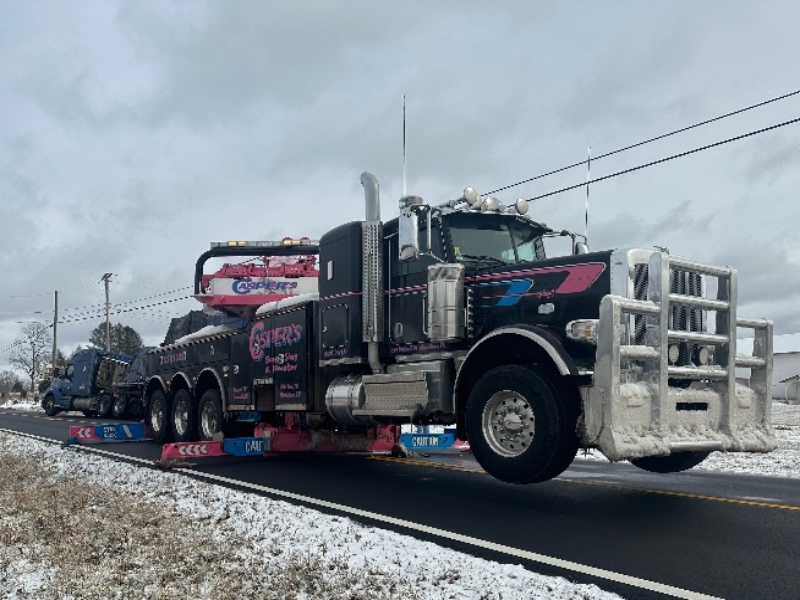
A truck that can still move a little gives you options. We have watched drivers stop too early, usually right when a warning light pops up, and it leaves no room to work. Narrow shoulders under overpasses and along curves are some of the worst spots to park a loaded rig.
If the truck can roll safely, getting to a wider shoulder, an exit ramp, or a truck stop makes a huge difference. We have cleared calls in 30 minutes that could have taken hours just because the driver coasted another few hundred yards. That matters more than most people think.
Triangle Placement That Does Not Help
We pulled up on a stalled tractor trailer near New Market where the driver placed a single triangle just a few feet behind the trailer. Traffic was already drifting close, and it only takes one distracted driver to turn that into something worse.
How the Setup Should Look
The triangle layout is not complicated, but it needs to be done right. We always tell drivers to think about visibility first.
- One triangle about 10 feet behind the truck
- One around 100 feet back
- One roughly 200 feet back
- Place them farther out if you are on a curve or hill
It takes a couple of minutes and it gives drivers behind you time to react.
Trying to Fix It on the Shoulder
We have seen drivers try to swap steer tires, crawl under trailers, and mess with air lines using whatever tools they have on hand. One call near the Knoxville split ended with a driver getting hurt when a jack slipped under load.
A Class 8 truck is not something you guess your way through on the side of the interstate. Weight, balance, and air systems all behave differently than smaller vehicles. That is why I-81 heavy towing crews bring the right jacks, air tools, and experience to handle it without turning it into a bigger problem.
Telling Dispatch It Will Be Quick
We hear this one a lot. A driver calls it in and says it will be a quick fix, then the truck ends up sitting in the same spot an hour later with traffic building behind it.
How Long These Jobs Actually Take
Most I-81 heavy towing calls in Tennessee take longer than expected, especially once weather or traffic gets involved.
- Basic roadside tow: 60–90 minutes
- Shoulder recovery with traffic control: 2–3 hours
- Jackknife or rollover: 3+ hours
- Cargo shift or cleanup: adds even more time
It is better to plan for a longer stop than assume it will be over in minutes.
Waiting Too Long to Call for Help
Some drivers try to troubleshoot for too long before calling it in. By the time we get the call, the situation has already gotten worse. A small issue turns into a blocked lane, and now it is not just about the truck anymore.
We would rather get there early and find out it is minor than show up late to a bigger mess. Early calls usually mean faster clears and less stress for everyone involved.
Casper’s Wrecker Service Delivers Premier I-81 Heavy Towing in Tennessee
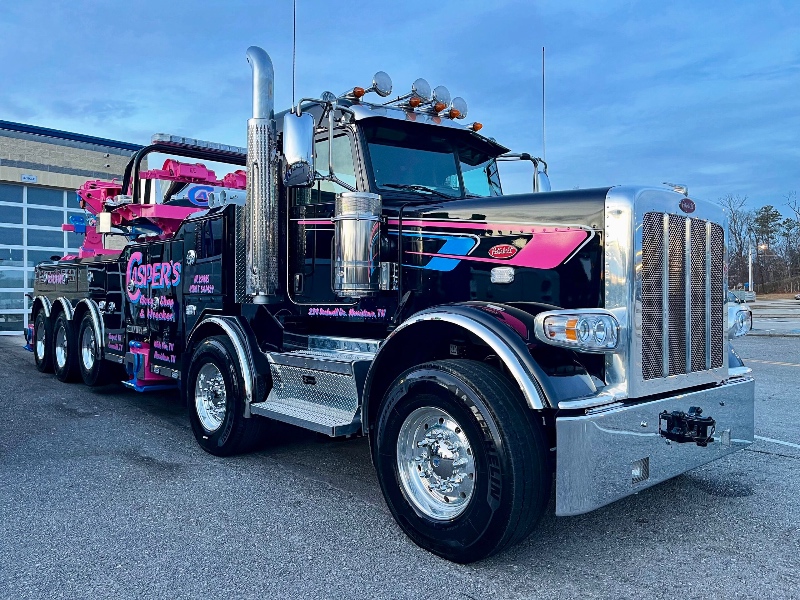
We handle I-81 heavy towing across East Tennessee every day, and most of our calls come from situations just like these. Casper’s Wrecker Service started as a body shop in 1992 and has grown into a multi-location towing and transport operation covering the I-81 corridor mile by mile.
Our team knows where shoulders narrow, which exits can handle a 53-foot trailer, and where traffic backs up first during fog or rain. I-81 heavy towing in this region often involves loaded box trucks with brake problems, jackknifes in low visibility, and rollovers closer to the Bristol stretch.
We run heavy wreckers, rotators, and roadside service units that are built for these kinds of calls. I-81 heavy towing is not just about moving the truck. It is about reading the scene, working with traffic, and keeping things from getting worse.
FAQs
What is the most common cause of a heavy truck breakdown?
Tire and brake issues lead the list, followed by air system leaks and fuel related problems. Most of those show warning signs during a pre trip if the driver looks for them. Routine maintenance prevents the majority of roadside calls.
Should I call dispatch or the tow company first?
Call dispatch first when there is no immediate safety risk so the fleet can authorize the right operator. If the truck is in a live lane or the driver is hurt, call 911 first and the fleet right after. Most fleets have a preferred provider list to streamline the next call.
How are heavy tow rates calculated?
Most heavy operators charge a service call fee, an hourly rate per truck, and additional fees for rigging, traffic control, and storage. Rotator work runs higher than basic wrecker work. Always ask for an itemized quote on scene.
Can I be cited for a brake fluid leak?
Yes, an active leak that triggers a dash warning is an out of service condition. DOT can park the truck on the spot. Even a slow drip needs to be repaired before the rig moves.
How do I find an exit when GPS is wrong?
Look for blue service signs along the highway since they show food, fuel, and lodging at the next exit. Mile markers also tell the truck driver exactly where the rig is. Many cabs still carry a paper atlas as a backup.
What documents should I have ready when help arrives?
Have the bill of lading, registration, insurance card, and a current ELD record ready. The wrecker driver also needs the destination address for the tow. Ready paperwork shaves five to ten minutes off scene time.