After the Truck Stops
When a rig goes down on the shoulder, the clock starts ticking in a way that feels personal. We work around I-81 every week, and we see the same pressure points again and again, especially when drivers try to handle I-81 semi towingdecisions while traffic keeps ripping past at highway speed. A breakdown does not have to turn into a bigger problem, but it can if the next steps get rushed. The good news is that most trouble after a breakdown comes from a short list of habits, and we can fix those habits with a simple plan.
Mistake #1: Staying in a bad spot too long
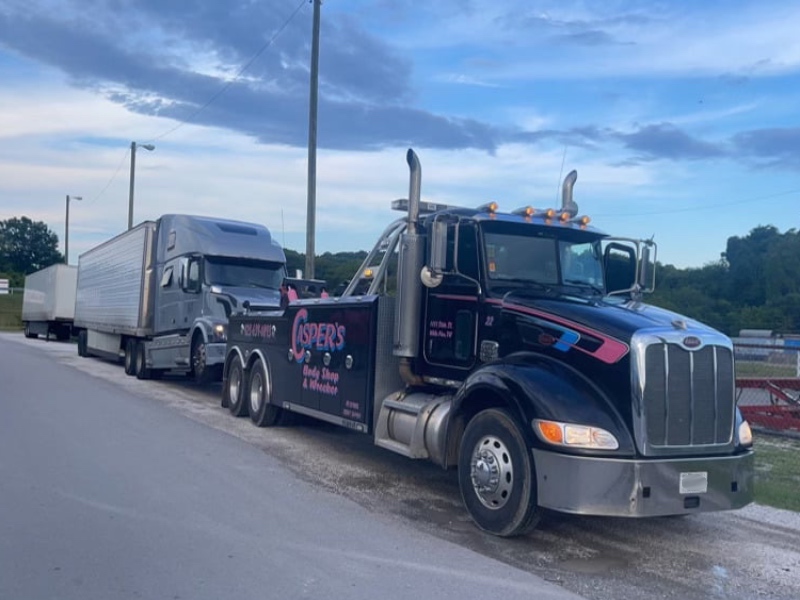
A lot of drivers pull over, set triangles, and settle in like the shoulder is a safe workspace. A narrow shoulder can turn into a hazard zone fast, especially near curves, ramps, and construction pinch points. We like to think in “seconds and sightlines” because visibility matters more than comfort.
Pick position first, then do everything else
If the truck still rolls, we try to get it to a wider shoulder, an exit ramp with room, or a lot that keeps the unit out of the traffic stream. We also watch the ground, since soft shoulders and sloped edges can shift weight in ways that surprise people. If the truck cannot move, we focus on being seen and staying out of the lane side of the unit.
A quick checklist that helps
- Get hazard lights on immediately
- Set triangles at proper spacing and adjust for curves or hills
- Keep the cab side away from traffic when possible
- Share exact location details before calling anyone back
Mistake #2: Not documenting what’s happening
A breakdown can turn into a game of telephone fast. Dispatch wants details, the shop wants symptoms, and everyone wants a timeline. If we don’t capture a few specifics early, we end up repeating ourselves, guessing later, or missing a detail that would have helped the repair go faster.
Write it down while it’s fresh
We like to log the moment the issue started, what warnings showed up, and what changed right before the truck lost power or air. A couple of clear notes can help a tech diagnose quicker and can help keep the story consistent across calls.
What we record on the spot
- Time the problem started and when the truck stopped
- Dash lights, fault codes, and messages
- Any sounds, smells, or vibration changes
- Photos of tires, leaks, or anything hanging loose
Mistake #3: Trying to “make it work” and creating new damage
We get why it happens. Drivers want to limp to a safer area or a shop, and they hope the problem stays small. The risk is that small problems can snowball into expensive ones, especially with tires, brakes, wheel ends, and driveline issues.
Small moves can create big repair bills
Dragging a locked wheel, rolling on a shredded tire, or forcing a transmission to keep pulling can create heat and damage that spreads. We have seen situations where a short roll turns into rim damage, brake hardware damage, or a compromised hub. When the truck needs I-81 semi towing, we would rather move it correctly once than watch it arrive with extra problems that did not need to happen.
Protect the load, too
Cargo claims can start with a breakdown decision, not the breakdown itself. A tilted trailer, a hard pull, or an uneven shoulder can shift freight. If you suspect a shift or a lean, it helps to say that up front so I-81 semi towing planning accounts for it.
Casper’s Wrecker Service and I-81 Semi Towing Support that Keeps the Next Step Simple
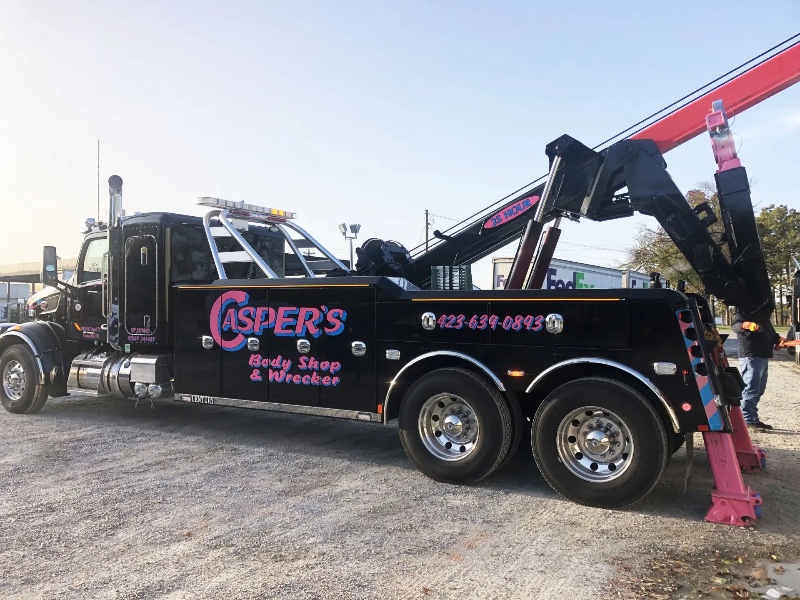
Our I-81 semi towing team built its routine around highway realities, and that means quick communication, accurate arrival planning, and clear next steps. When you call us for I-81 semi towing, we focus on location, access, and what the truck needs to move without adding damage. We keep the process straightforward, because drivers already have enough to juggle with dispatch updates and delivery windows.
At Casper’s Wrecker Service, we handle I-81 semi towing along with recovery support and heavy towing needs that come with highway breakdowns. We coordinate the safest practical approach for the truck’s condition and the roadside space available, then we work toward a clean tow or recovery that gets you off the shoulder and into the next phase of your day with fewer surprises.
FAQ
What should we do first after a breakdown to avoid making the damage worse?
We start by taking a calm inventory before we touch anything. We note warning lights, listen for air leaks, and look for obvious tire or wheel-end damage. If something looks or sounds severe, we stop trying to move the truck and shift to getting help lined up.
Is it okay to limp to the next exit?
Only if the truck still drives normally and you do not see signs of a tire, brake, or wheel-end issue. If a wheel is locked, a tire is coming apart, or you smell burning, limping can turn a small repair into a bigger one. We treat any unusual vibration, smoke, or heat as a stop signal.
What information should we have ready when we call for assistance?
We keep it simple and practical. We share the truck and trailer type, loaded or empty status, and any visible damage. We also share fault codes if we can safely read them, plus a quick description of what changed right before the truck stopped.
How can we tell if the problem is air related versus mechanical?
Air problems often show up as fast pressure loss, constant compressor running, or brakes that will not release. Mechanical issues often show up as grinding, clunking, severe vibration, or a loss of power even with normal air pressure. If we cannot tell quickly, we report the symptoms instead of guessing.
What should we document during a breakdown for repairs and paperwork?
We take photos of the dash messages, the truck’s position, and any visible leaks or damage. We write down the time the issue started, what we heard or smelled, and what actions we took. Clear notes help a shop diagnose faster and help keep records consistent.
What should we avoid doing while waiting for help?
We avoid working on the traffic side of the truck, crawling under the unit on the shoulder, or repeatedly cycling brakes and switches out of frustration. We also avoid disconnecting lines or parts unless a professional guides us, since that can create new issues and complicate the repair.