
Reaching the Tipping Point
Ask any experienced driver what they worry about most, and rollovers usually make the list. We see why. Across the country, thousands of truck rollovers happen every year, and a good number of our I-81 semi towing calls tie back to the same kind of incidents.
It doesn’t take extreme conditions either. A normal run, a familiar exit, and a load that shifts just enough.
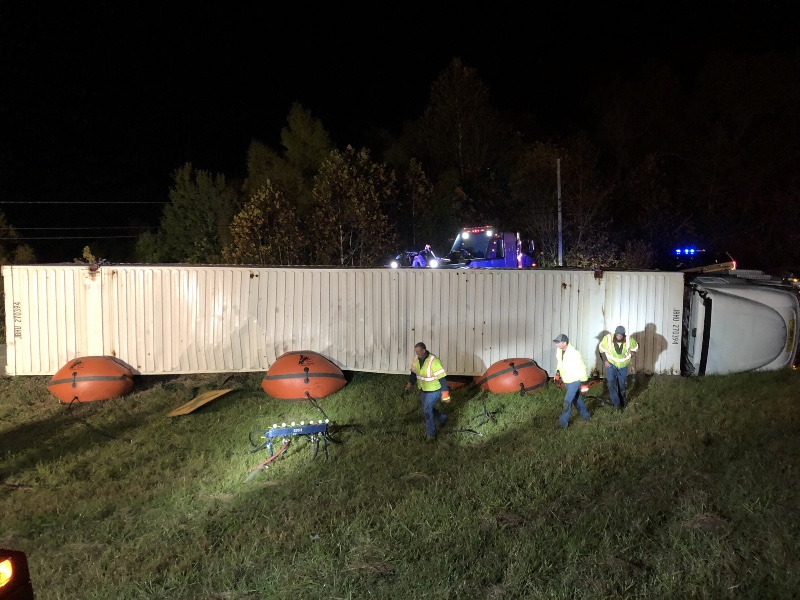
The Start of a Rollover
We find that most rollovers don’t begin with some dramatic moment. It usually starts a few miles back. A driver comes off a long straight stretch, speed creeps up, then the road tightens or dips.
We’ve seen it happen near older interchange ramps where the banking isn’t forgiving. Especially with dry van loads stacked high or tankers that shift. The trailer leans just enough. And once that balance tips—boom!—it’s over in seconds.
Load Shift Happens Faster Than Drivers Expect
Even a properly secured load can move. Pallets settle. Liquids surge. Developments like these change the center of gravity mid-turn, sometimes significantly. Drivers feel it, but by then there’s not much room to correct once it happens. Then it’s tough luck.
Speed Is Usually the Quiet Factor
Nobody calls it speeding when it’s 5 or 10 over, right? But on a tight ramp, that’s enough. We’ve pulled rigs where everything else checked out, and speed was the only thing that didn’t.
How We Deal With the Fallout
When we respond to I-81 semi towing jobs, the scene is rarely simple. Often the lanes are blocked, meaning oncoming traffic backs up very fast. Sometimes cargo spills and causes more blockage or hazards. Sometimes the tractor and trailer separate in awkward ways that block both lanes.
There’s a process for handling I-81 semi towing, and it can take time depending on the situation.
- Secure the scene with local authorities
- Assess load type and weight distribution
- Upright the trailer using rotators
- Clear debris before moving anything
- Coordinate lane closures if needed
Some recoveries take 45 minutes. Others stretch into half a day, especially if hazmat is involved or the load has to be transferred.
Prevention: What Drivers Can Do
We’re not in the cab, but we see patterns. A few small changes would prevent a lot of these calls for I-81 semi towing.
Slowing down before ramps helps more than braking during them. Once weight shifts, braking can make it worse. Taking that extra few seconds early makes a difference.
Knowing your load matters too. Tankers behave differently than dry freight. Even within dry loads, stacked goods versus evenly distributed cargo changes how a trailer handles curves.
Watch the Familiar Spots
Drivers who run I-81 often get comfortable. Same exits every week. Same routes. That familiarity sometimes leads to cutting corners, literally.
We’ve picked up more than one overturned rig at the same exit in a single month. It’s not a coincidence.
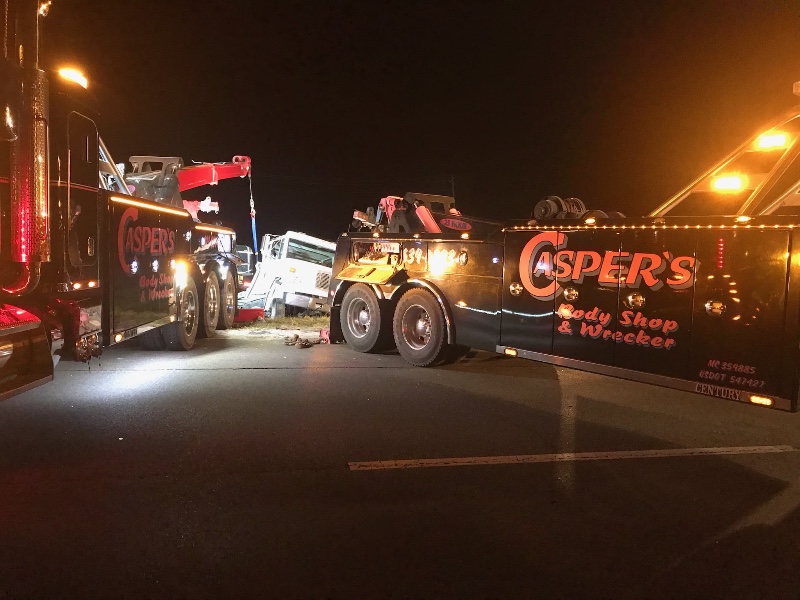
How We Handle I-81 Semi Towing at Casper’s
At Casper’s Wrecker Service, I-81 semi towing is part of our daily workload across Tennessee. With five locations covering the I-80 and I-40 corridors as well, we stay spread out enough to respond without long delays.
Our dispatchers know our fleet well. Rotators, heavy wreckers, support vehicles, it’s all coordinated before we even roll. That cuts down time sitting on the shoulder waiting.
Jimmy Collins Jr. built this operation from a small body shop back in 1992 into what it is now. That hands-on background still shows in how we approach recoveries. Our mechanics and operators work together, not separately, which helps on complex rollovers.
We stay busy. Middle of the night, early mornings, middle of a rainstorm. That “25 hours a day” line we use isn’t a joke. Breakdowns and rollovers don’t wait for a good time.
Most of our I-81 semi towing calls come from the same few trouble spots. Tight ramps, uneven grades, heavy traffic merging too fast. It’s predictable if you’re out here long enough. And every time we clear one, traffic starts moving again like nothing happened.
Until the next call comes in.
FAQs
What usually causes a semi truck to roll over?
Most rollovers come down to speed and load balance. A trailer that is top-heavy or shifting can lean too far in a curve. Road design and sudden steering inputs also play a role.
Are certain types of trailers more likely to tip?
Yes. Tankers and high-stacked dry vans tend to be more unstable. Liquid loads can shift quickly, which makes control harder in turns.
How long does it take to recover an overturned truck?
It depends on the load, damage, and position. Some recoveries take under an hour, while others can take several hours if cargo needs to be removed first.
Can a rollover block both directions of traffic?
It can. If the trailer lands across lanes or separates from the tractor, it may shut down multiple lanes until crews clear it.
Is braking during a turn a good way to prevent tipping?
Usually not. Braking mid-turn can shift weight forward and make the situation worse. Slowing down before entering the curve is more effective.
What should a driver do right after a rollover happens?
First priority is getting to a safe spot if possible. After that, contacting emergency services and reporting any cargo issues helps crews respond faster.