The Blowout That Blows Up the Schedule
A steer tire lets go at highway speed and the whole cab can jump before the driver has time to think. The sound is sharp, the wheel pulls hard, and traffic keeps moving beside the rig. On US-11E semi towing calls, we have seen drivers do the right thing in that first moment and save themselves from a worse recovery.
The best first move is usually steady control. Grip the wheel, stay off sudden steering, and let the truck slow in a controlled way. A blown tire on a loaded vehicle can pull hard toward the failed side, especially if the road shoulder is narrow or uneven. Panic braking can make the trailer push, sway, or slide.
Why Semi Tires Blow Out
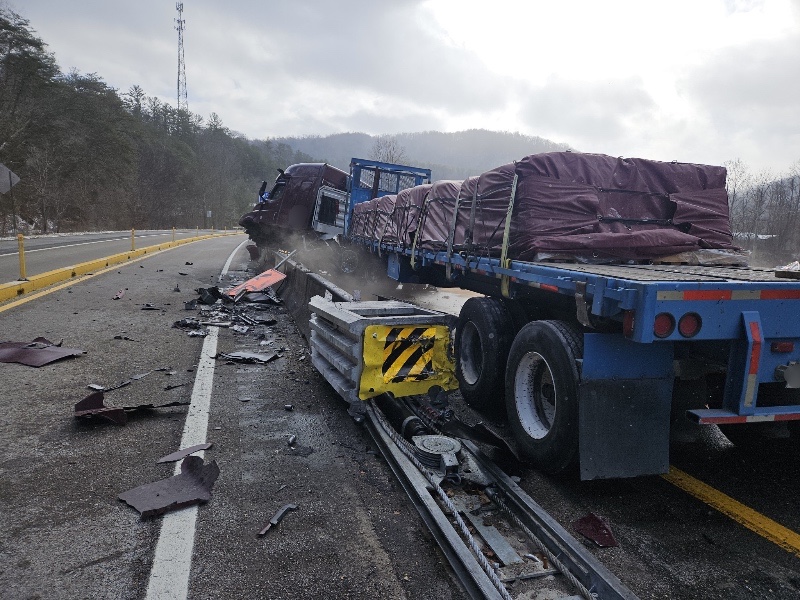
Heat, low air pressure, old casings, road debris, and overloaded trailers can all set up a blowout. An underinflated tire flexes too much, builds heat, and may fail with little warning. Speed makes weak spots worse. Hot pavement, long grades, and heavy freight can turn a small tire issue into shredded rubber on the shoulder.
What Drivers Should Do Right Away
After the blowout, the goal is to keep the truck under control and get out of active traffic. Ease off the throttle, keep the rig straight, and move toward a safe shoulder only when there is room. Use flashers early. Once stopped, set triangles if it is safe to do so and stay away from traffic.
Dispatch details help us send the right response the first time. We need the mile marker or nearest crossroad, direction of travel, tire position, trailer type, load status, and whether the truck can still build air. A drive tire blowout may need roadside tire service. A steer tire failure with fender, brake line, or suspension damage may need a heavy tow.
What Not To Do After a Blowout
A driver should not slam the brakes, yank the wheel, or try to limp too far on a shredded tire. Those moves can turn tire damage into body damage, brake damage, airline damage, or a roadside fire. With US-11E semi towing, we often see the most expensive part of the call come from what happened after the tire failed.
A quick checklist helps:
- Stay out of live lanes
- Keep clear of traffic
- Do not drive on loose rubber
- Stay off the shoulder ground check
- Do not guess on brake damage
- Stop if the rim or axle looks bad
Heavy calls can change when traffic, heat, cargo, and damaged rubber all stack up in one place. If a tire tears into mudflaps, lights, fairings, air lines, or wiring, the truck may need more than a tire change before it can leave.
How Heavy Towing Fits Into the Response
A clean tire failure may only need a service truck. A blowout with rim damage, locked brakes, broken suspension, or a disabled tractor is a different call. US-11E semi towing comes into play when the truck cannot move under its own power or when moving it farther would cause more damage. We look at the tire position, shoulder width, cargo weight, traffic flow, and the next safe destination before hooking up.
Sometimes the trailer stays put while the tractor goes for repair. Sometimes the whole combination needs to move together. On US-11E semi towing calls, that depends on the load, the damage, and what the fleet needs next. A rushed decision can create a second tow or leave a loaded trailer sitting in a bad spot.
Casper’s Wrecker Service: We Handle Your US-11E Semi Towing After Tire Blowouts
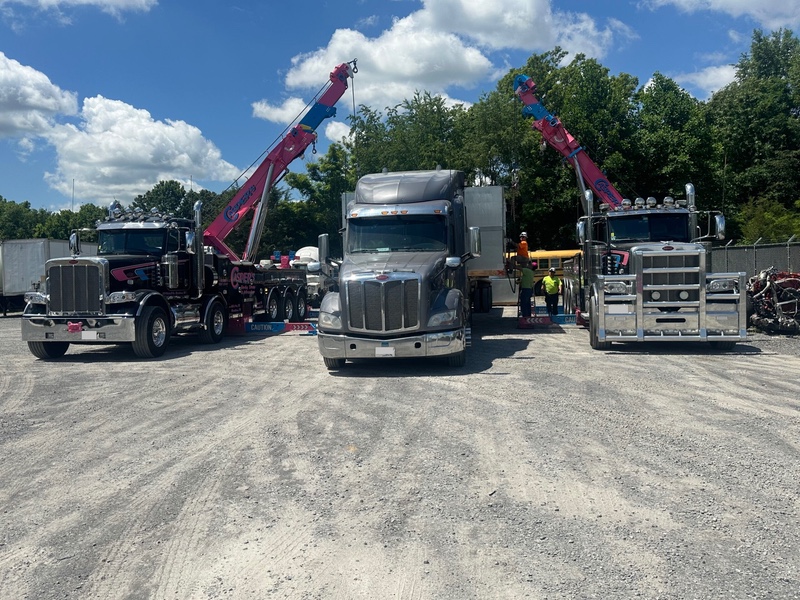
Casper’s Wrecker Service started as a body shop in 1992 and grew into a locally owned towing, roadside assistance, transportation, repair, and recovery company. Jimmy Collins Jr. and our in-house dispatchers, mechanics, auto body techs, and tow operators work as one team, which helps on US-11E semi towing calls where a blowout may involve tires, body damage, brake parts, or transport needs.
We operate 24 hours a day, 7 days a week, 365 days a year because tire failures do not wait for shop hours. Our dispatchers know our fleet and ask the questions that point to the right truck, service unit, or recovery response. US-11E semi towing after a blowout may start with a shredded tire, but the real job is getting the driver, the truck, and the load to the next safe step without making the damage worse.
FAQs
What should a semi driver do first after a tire blowout?
Hold the wheel steady and avoid sharp steering. Ease off the throttle and let the truck slow in a controlled way before moving toward a safe shoulder.
Is it safe to keep driving after a semi tire blows?
Usually, no. Driving on shredded rubber can damage wheels, brakes, air lines, mudflaps, wiring, and suspension parts. Stop as soon as it is safe.
Why do underinflated truck tires fail?
Low air pressure makes the tire flex more than it should. That extra flex builds heat, and heat can cause the casing to break apart at highway speed.
Can a blown tire damage more than the tire itself?
Yes. Loose rubber can tear into brake lines, lights, fenders, fairings, and trailer parts. A quick inspection matters before the truck moves again.
When does a tire blowout need towing instead of roadside tire service?
Towing may be needed if the rim, axle, brakes, suspension, or steering are damaged. It may also be needed if the truck cannot safely move from the shoulder.
What details should a driver give dispatch after a blowout?
Give the road marker, direction of travel, tire position, trailer type, load status, and visible damage. Photos help the towing company send the right truck.