A Tale of Two Tows
The area around Tusculum mixes active interstate corridors with smaller county roads and tight local streets. Our Tusculum towing team works this full range every day. What the roadside and recovery job needs shifts depending on which road type the call comes from.
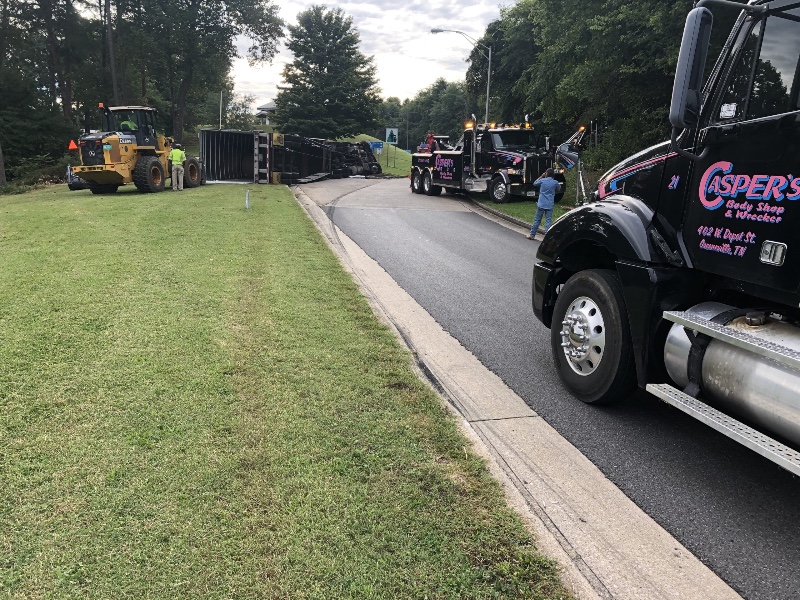
Highway calls have a fixed first step. Because Safety always comes first, scene control comes before any rigging: lights deployed, truck positioned as a buffer, work zone established. On a town call, the priority is spatial: access angle, clearance overhead, and how to exit without blocking traffic (and keeping everyone safe, of course!).
Town and Local Work Runs on Spatial Discipline
Towing calls from local streets and commercial lots bring overhead utilities, parked vehicles, and tight driveways. Full-size rigs have limited room to work on those blocks. Operators who work these environments build a fast, instinctive clearance read over time. That read gets sharper with every new block they work.
Traffic management on a local call is close-range from the start. Vehicles approach from short distances. There is limited time to reposition if the first angle does not work. Our dispatchers match units to road conditions before departure. The compact wheel-lift for a neighborhood lane is not the truck for an interstate recovery.
What the Vehicle’s Position Reveals Before Rigging Starts
A vehicle on a live highway shoulder and one in a residential driveway call for different setups. The Tusculum towing operators we dispatch assess road type and approach angle first, then confirm the rigging plan. On a highway, the focus is exposure; on a town call, it is space. Both assessments happen before any force is applied, and both shape the job from that point forward.
What Each Road Type Typically Requires From a Crew
The two environments break down like this:
- Interstate work requires flatbeds, heavy wreckers, and extended rigging for off-road incidents
- Active highway shoulders demand high-intensity warning lighting before any rigging begins
- Commercial truck incidents on major corridors need heavy-duty configurations as the baseline
- Town and residential calls need compact, maneuverable units for tight driveways and narrow lanes
- Local road calls require surface assessment before advancing toward the scene
- Every Tusculum towing dispatch is matched to the road type before the truck rolls
Casper’s Wrecker Service: Tusculum Towing Across Five Locations
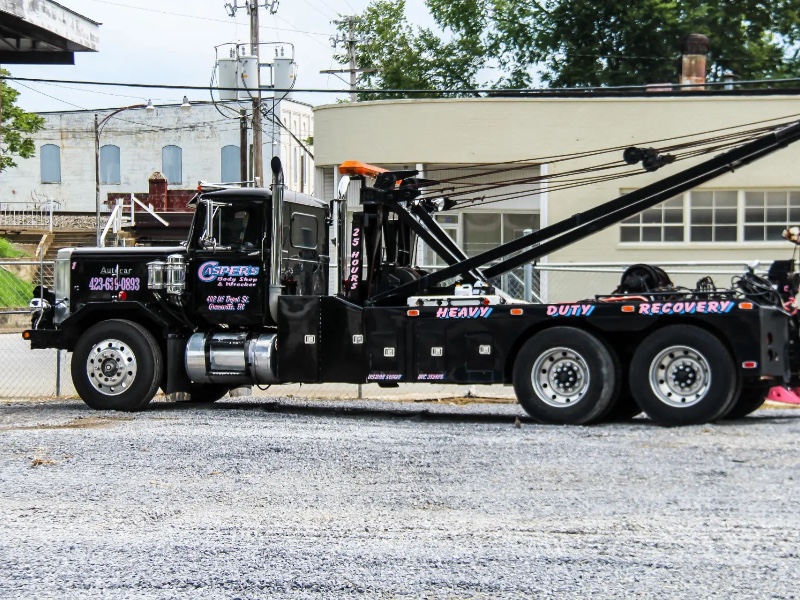
Casper’s Wrecker Service started as a body shop in 1992. It has grown into a fully licensed towing, roadside, and transportation company with five locations across East Tennessee. Jimmy Collins Jr. leads the operation alongside an in-house dispatch team. Casper’s has built its name on 24/7 response and a genuine passion for the work. Our Tusculum towing coverage is backed by dispatchers who know the region’s roads and the fleet to handle them.
From interstate recoveries to tight local calls, every Tusculum towing job gets the same preparation. The right unit is staged before departure. Operators know how to work the environment in front of them. What began as a local body shop is now a regional operation trusted for consistent performance at every hour.
FAQ
What is the difference between towing and recovery?
Towing moves a vehicle that is accessible and can be rigged without special extraction. Recovery gets a vehicle back to a towable position first. That may require winching, rigging from unusual angles, or extracting from a ditch or embankment. Recovery operations take more time and more equipment than a standard tow.
Why do towing companies with multiple locations use in-house dispatch?
In-house dispatch means the people answering calls are part of the same operation. They know the fleet and can give accurate commitments on response time and equipment. Third-party centers may not know which unit is closest, what it carries, or if it is on a call. In-house teams have that information directly.
How did towing companies historically grow out of other automotive services?
Many early towing companies grew out of gas stations, body shops, or repair facilities. Handling disabled vehicles was a natural extension of that work. Over time, some expanded their tow fleet and became standalone towing and recovery operations. That origin often shapes the culture and how operators approach the work.
What is Traffic Incident Management training for tow operators?
Traffic Incident Management, or TIM, coordinates all responders at a highway incident. That includes law enforcement, fire, medical, and towing crews. TIM-trained operators know their role, how to minimize lane blockage, and when to defer to other responders. It is increasingly required for operators who work on state highway rotation.
What is the difference between towing and specialized transport?
Standard towing moves a disabled or impounded vehicle using a wrecker, flatbed, or wheel-lift. Specialized transport handles vehicles or loads that require flatbed trailers, step-decks, or enclosed carriers. It covers high-value vehicles, damage that rules out standard towing, or cargo that must be protected during transit.
What should I look for when choosing a towing company for a commercial account?
Look for heavy-duty equipment, certified operators, in-house dispatch, and verified experience with your vehicle type. Response time guarantees and documented certification levels matter more than price alone. A company that handles both local and highway calls regularly has the range to manage most situations your fleet will encounter.